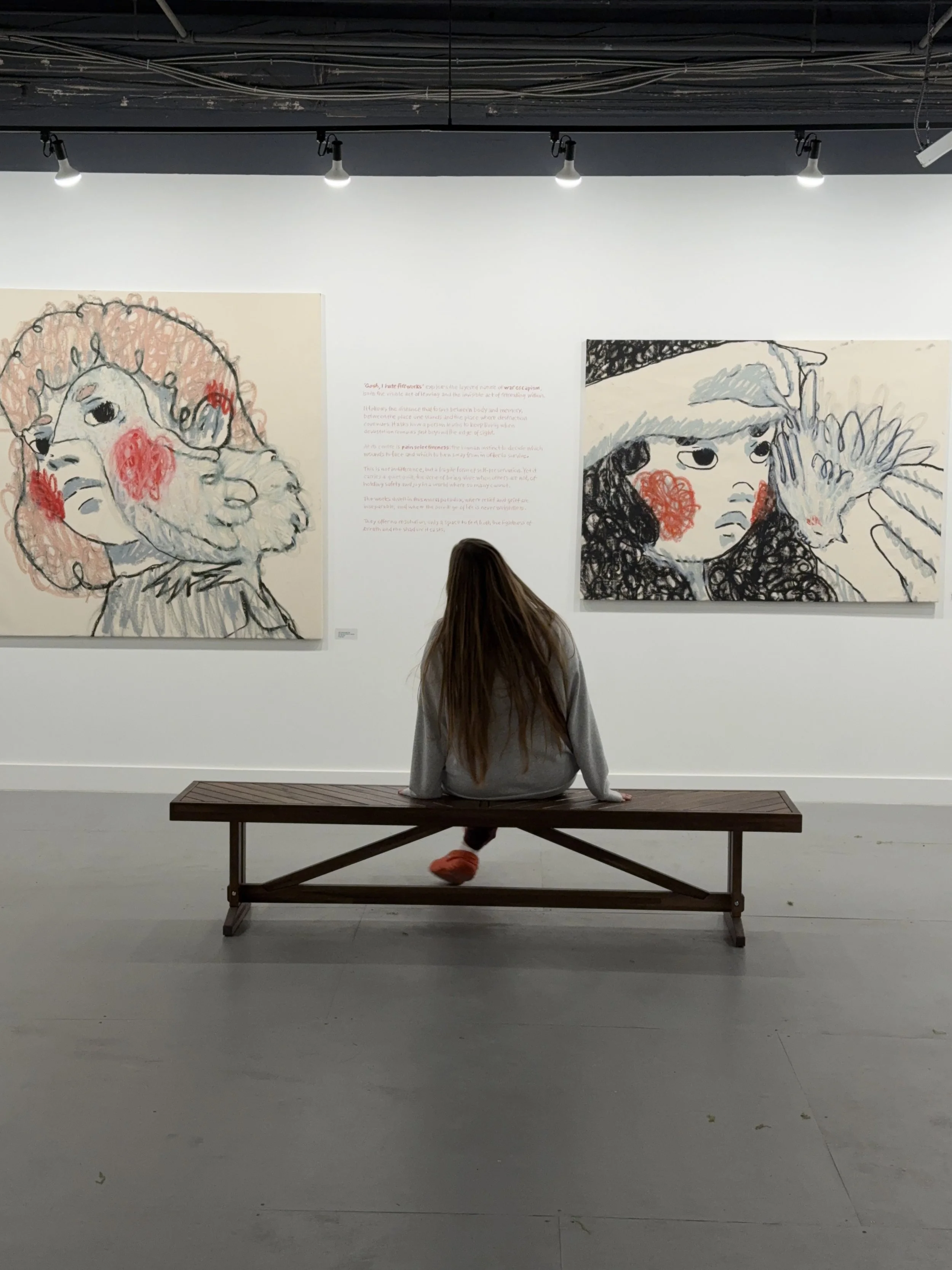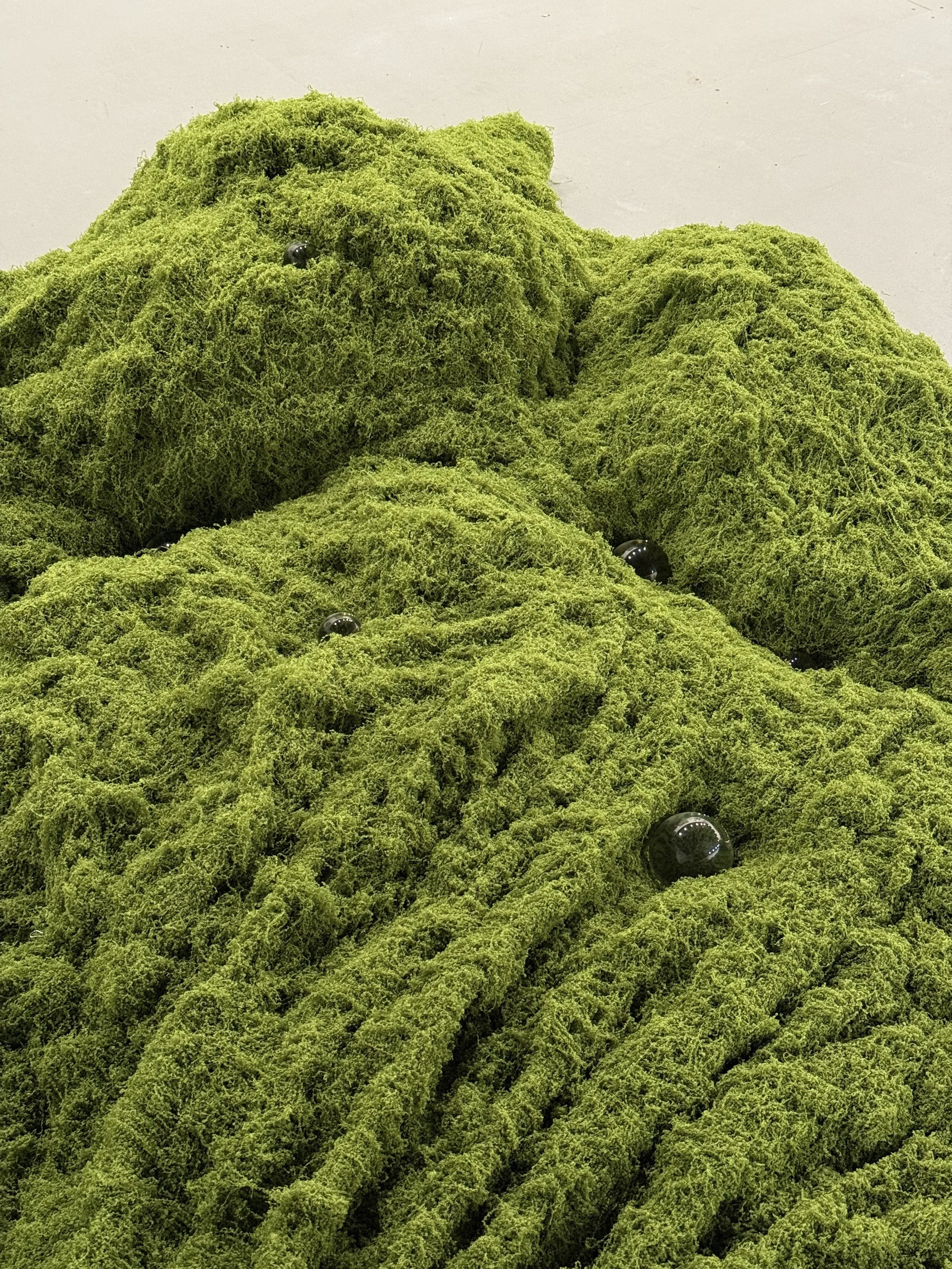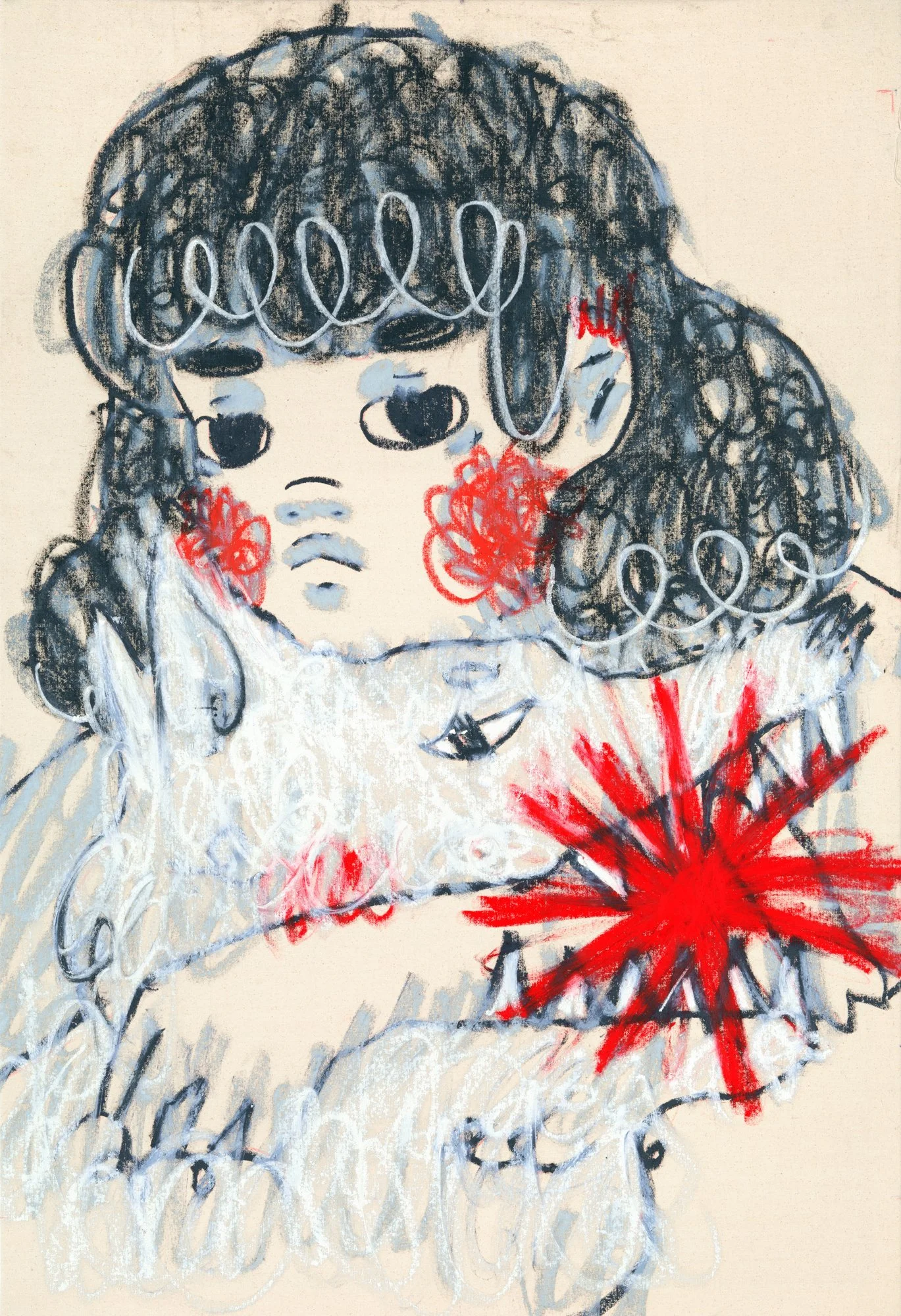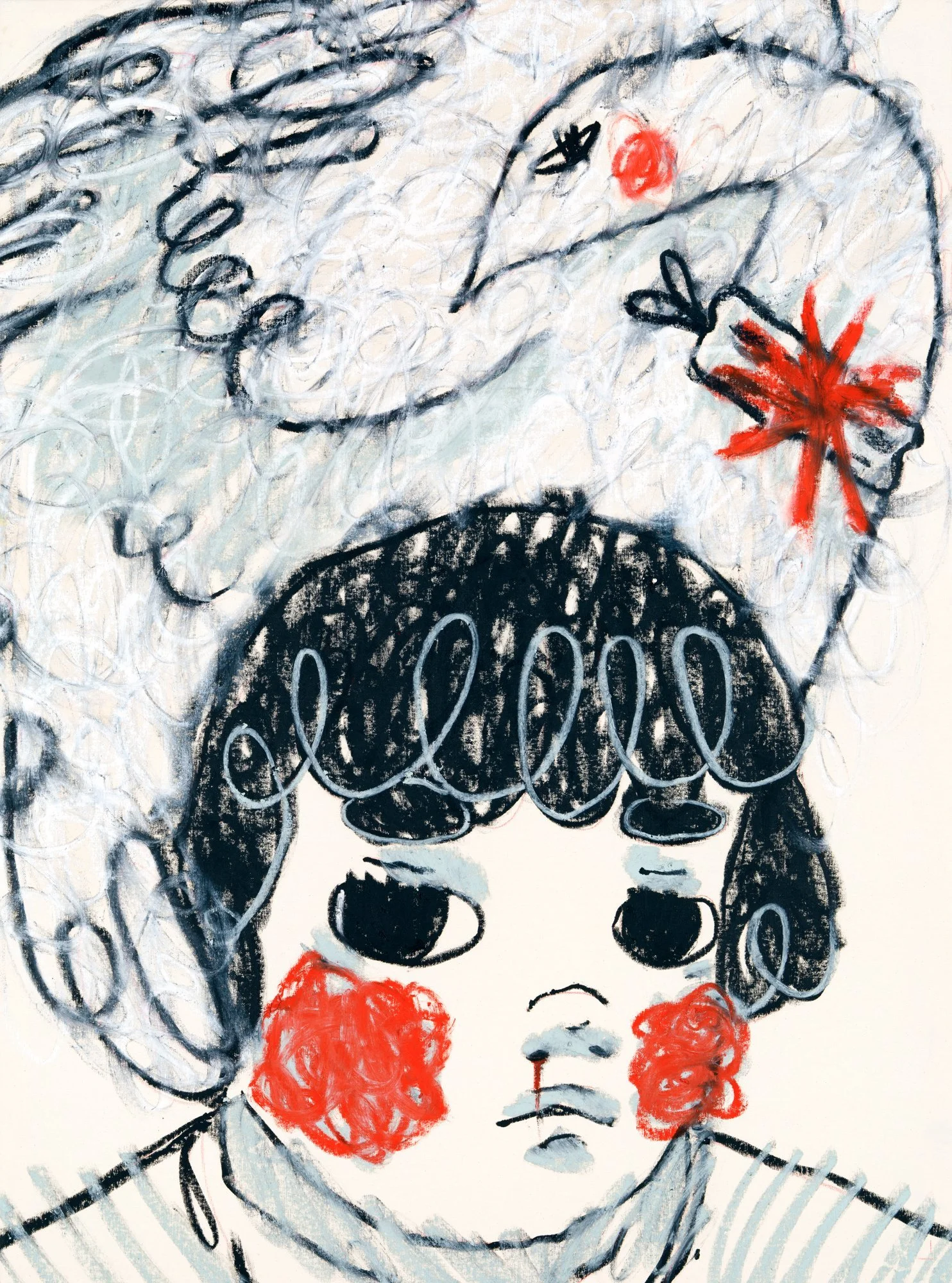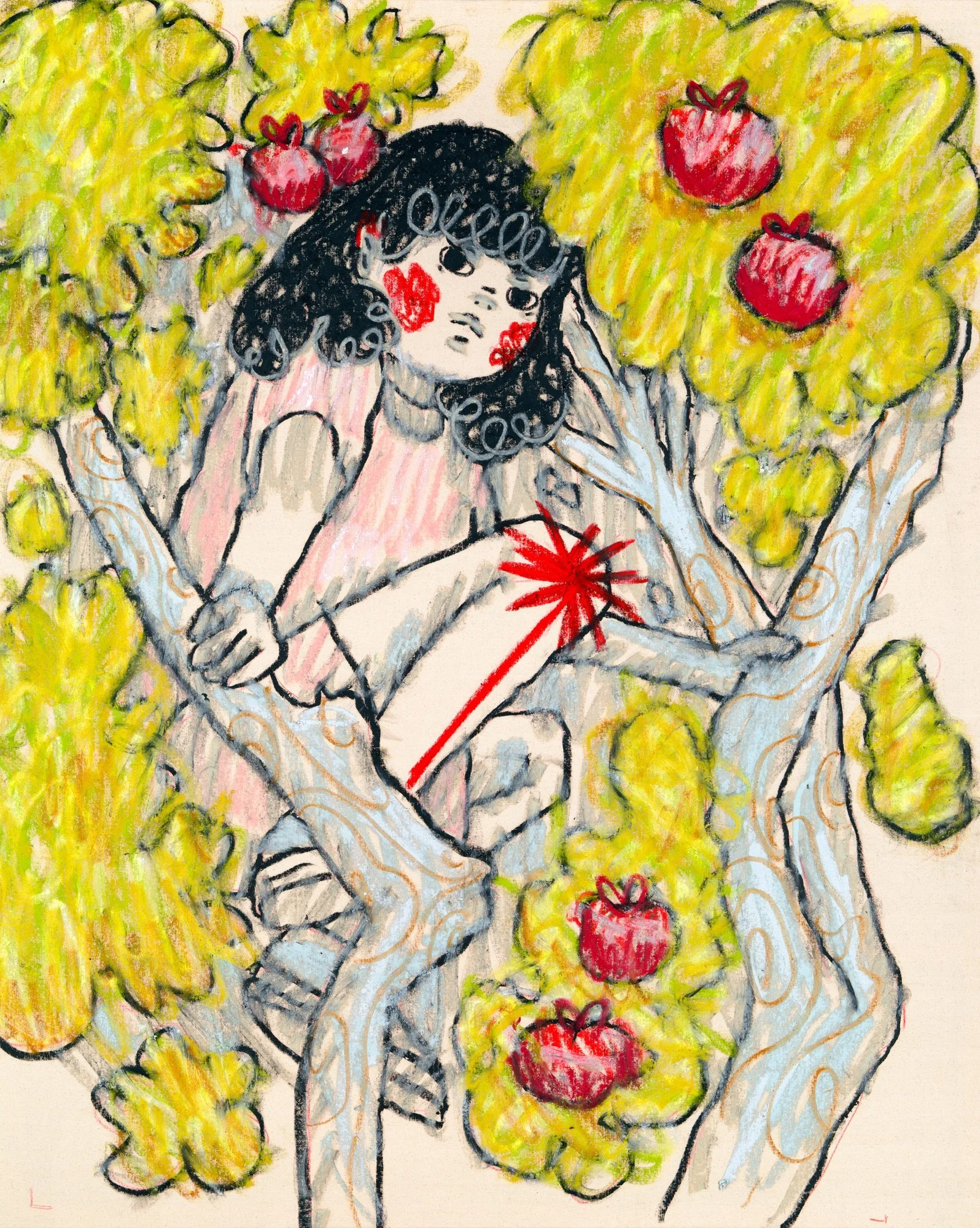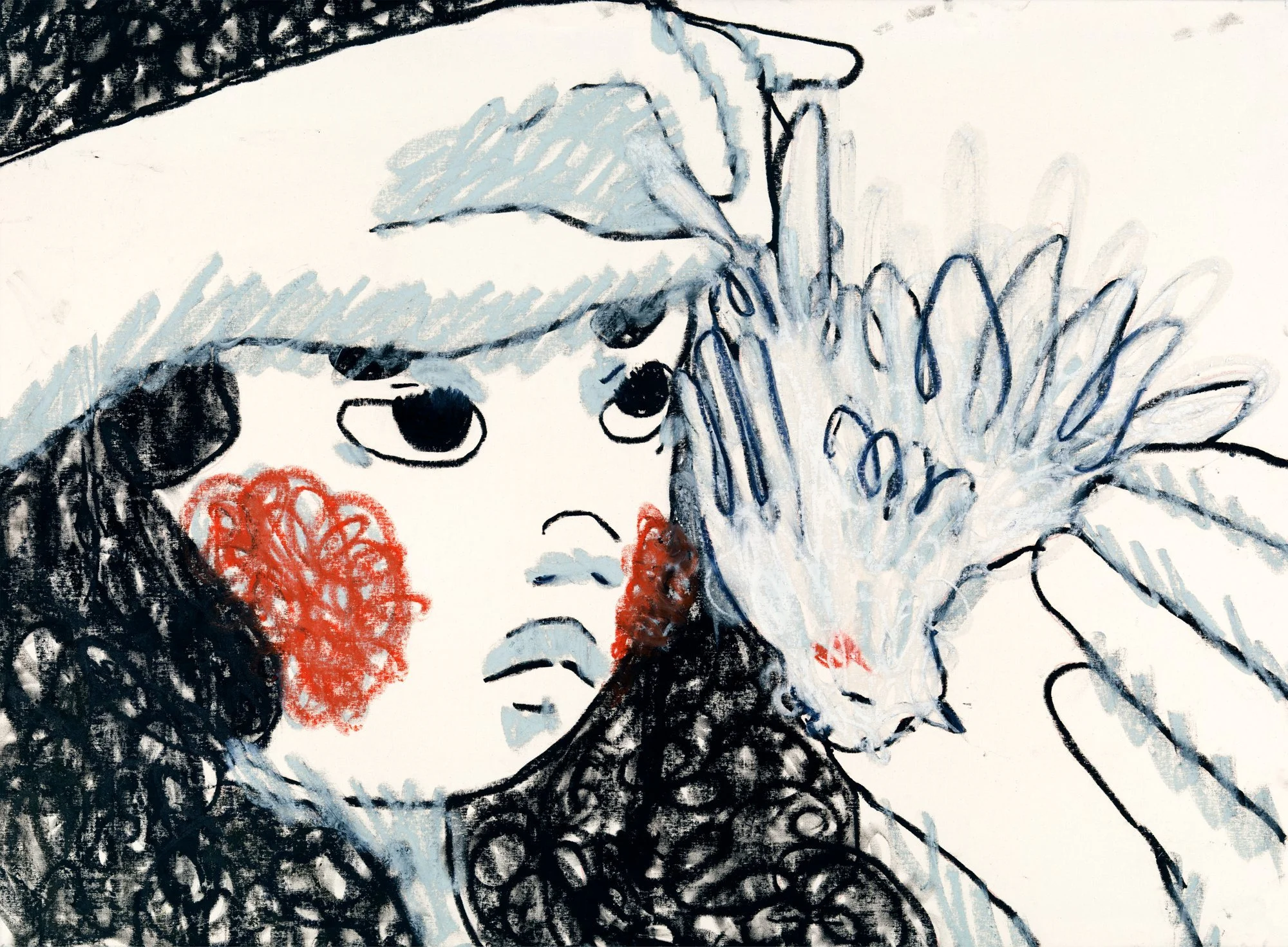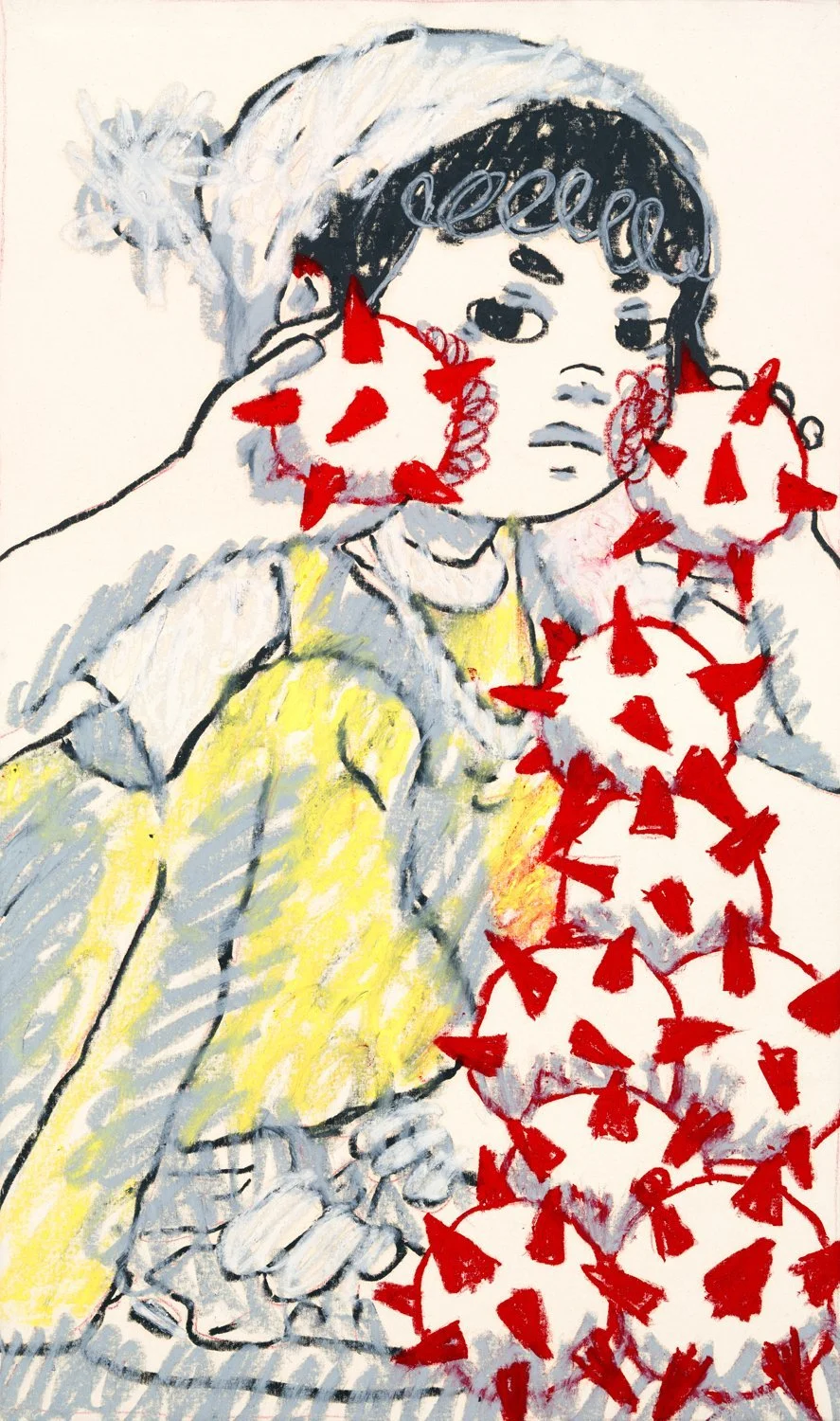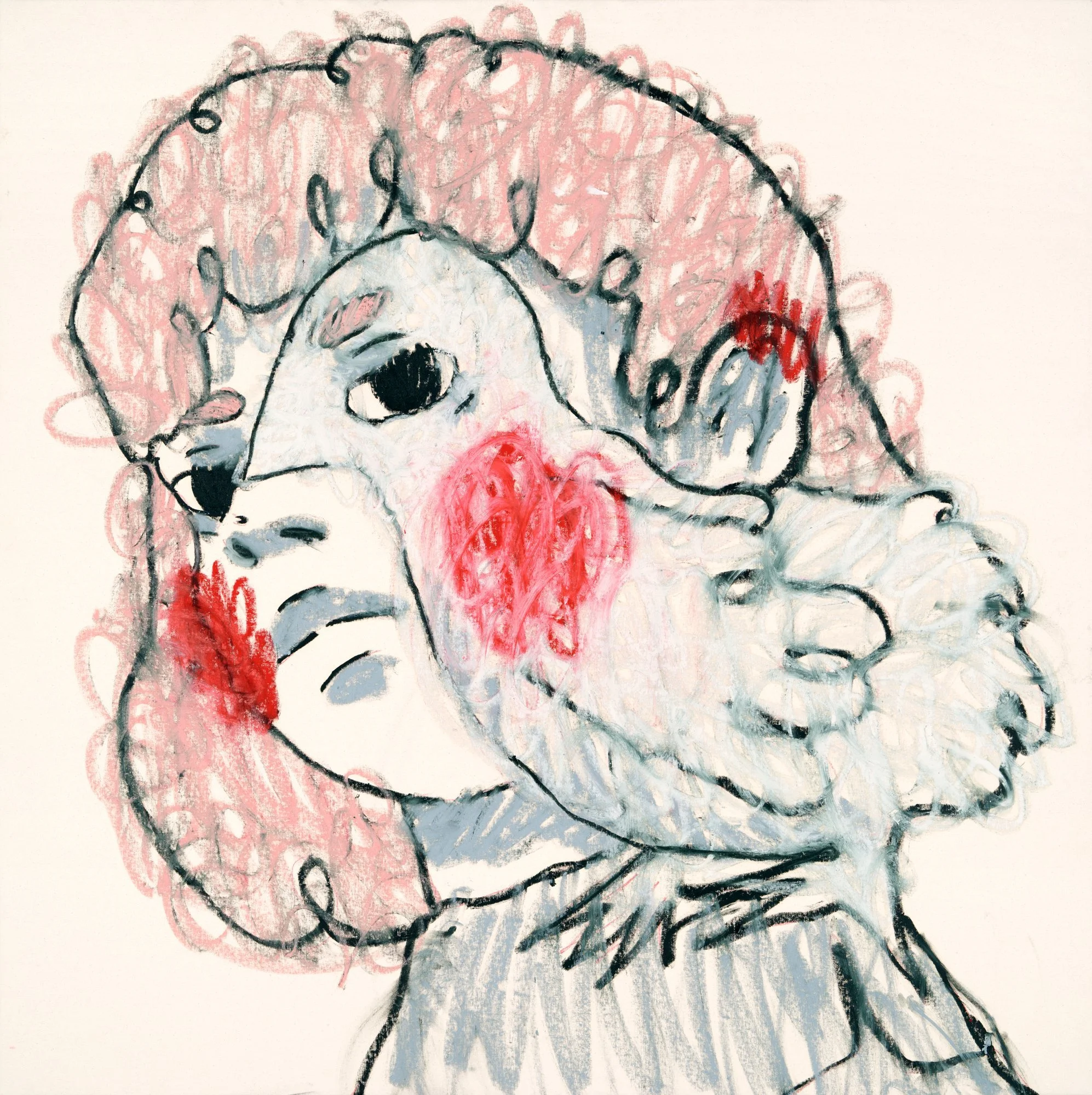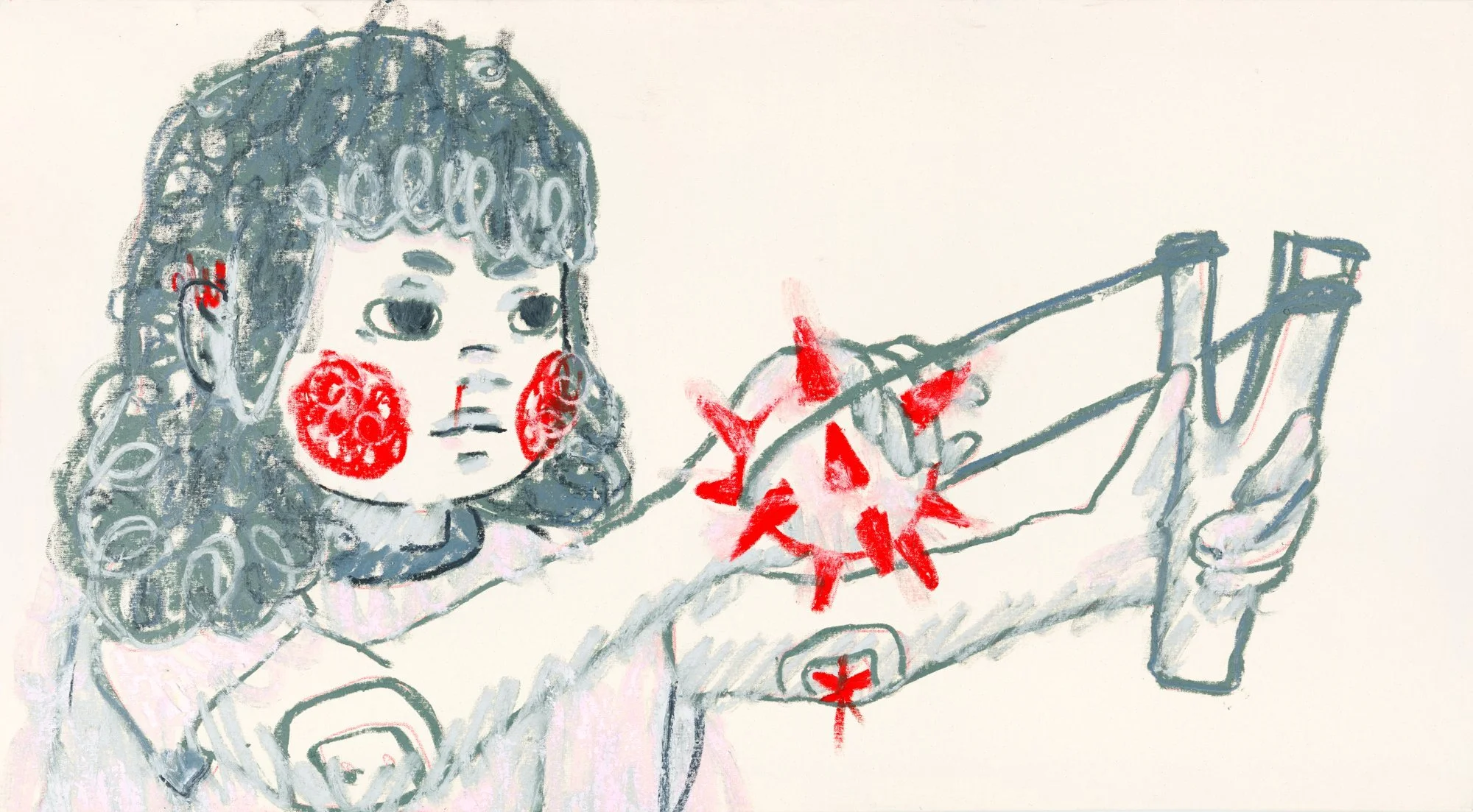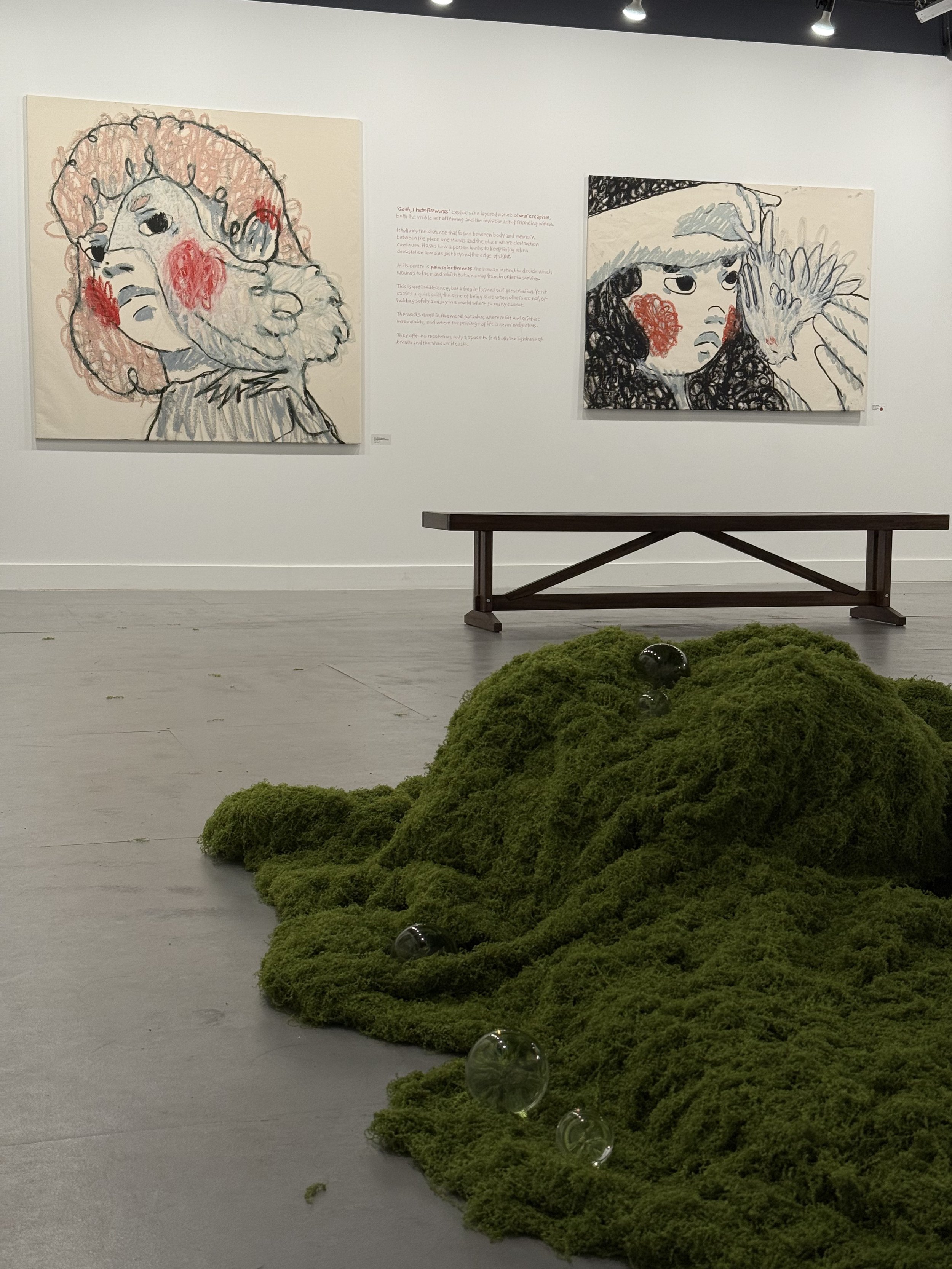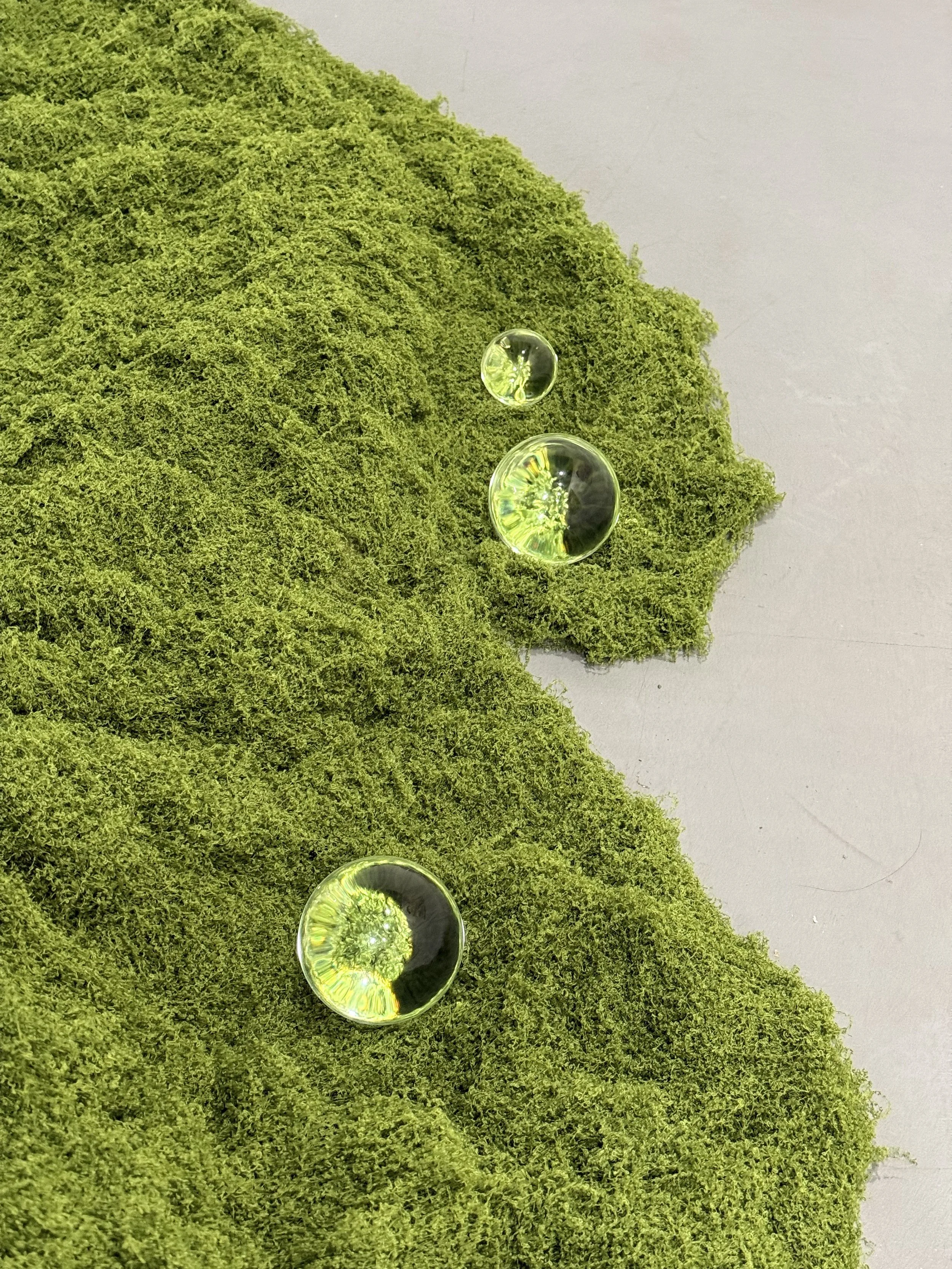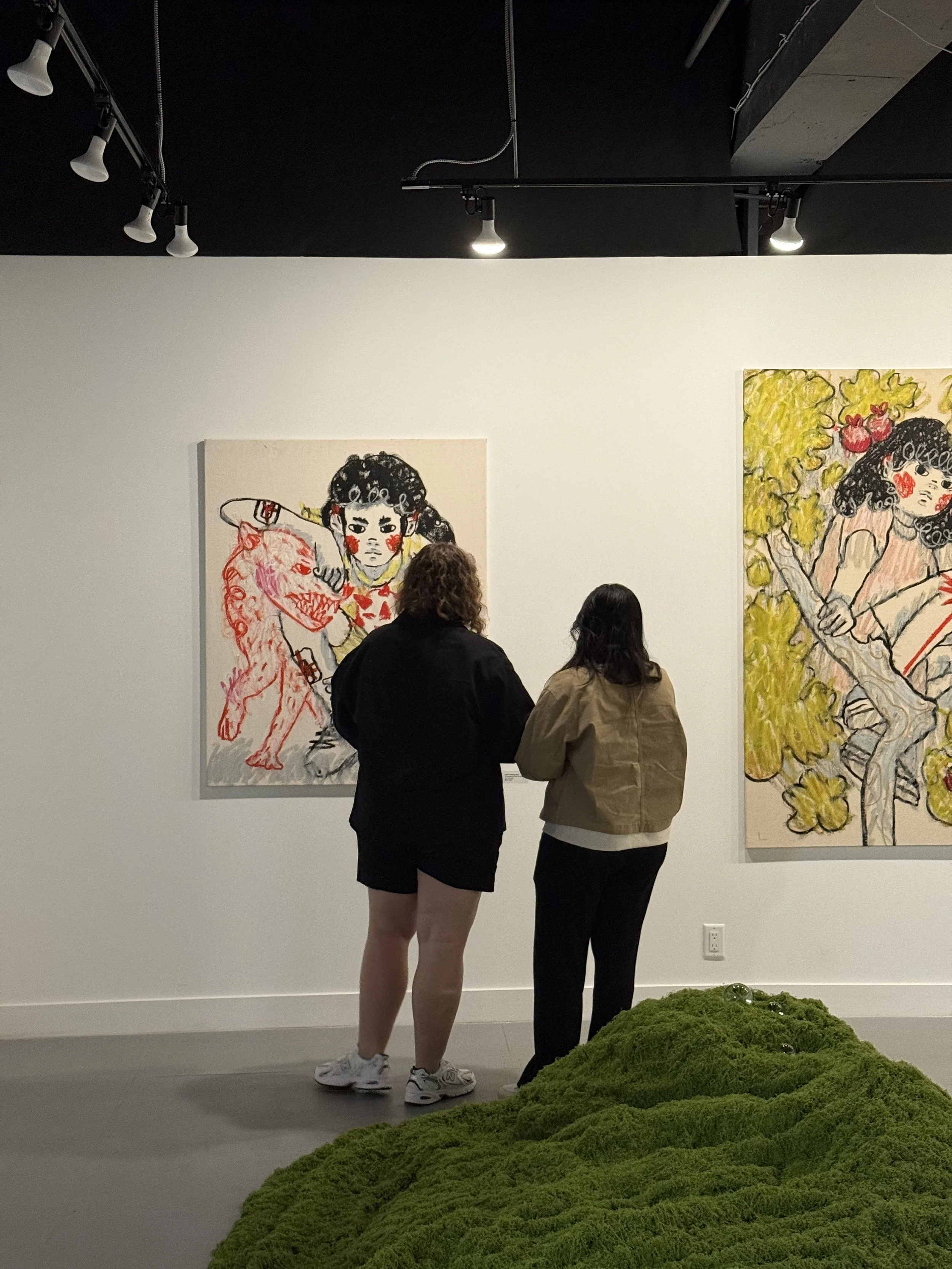
“Gosh, I hate fireworks” explores the layered nature of war escapism, both the visible act of leaving and the invisible act of retreating within.
It follows the distance that forms between body and memory, between the place one stands and the place where destruction continues. It asks how a person learns to keep living when devastation remains just beyond the edge of sight.
At its centre is pain selectiveness: the human instinct to decide which wounds to face and which to turn away from in order to survive.
This is not indifference, but a fragile form of self-preservation. Yet it carries a quiet guilt, the ache of being alive when others are not, of holding safety and joy in a world where so many cannot.
The works dwell in this moral paradox, where relief and grief are inseparable, and where the privilege of life is never weightless.
They offer no resolution, only a space to feel both the lightness of breath and the shadow it casts.